
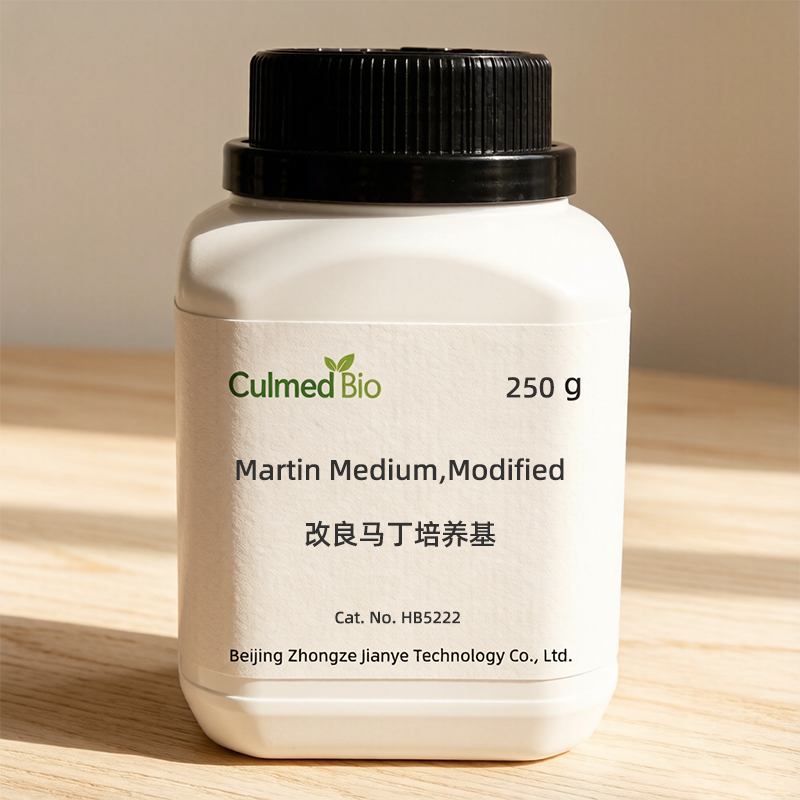
The modified formulation provides an optimal environment for fungal growth. Peptone supplies carbon and nitrogen sources, while yeast extract provides essential B-complex vitamins. Glucose serves as a readily available energy source. Dipotassium hydrogen phosphate acts as a buffering agent to maintain a stable pH, and magnesium sulfate supplies essential trace elements required for fungal metabolism. The acidic pH of 6.4 ± 0.2 is slightly lower than that of general bacterial media, which aligns with the growth preferences of many fungi and yeasts while providing some selective pressure against certain bacteria.
Intended Use
- Mycological sterility testing of pharmaceuticals and biological products.
- Detection of molds and yeasts according to the Chinese Pharmacopoeia.
- Quality control in pharmaceutical, cosmetic, and food laboratories.
- Environmental monitoring for fungal contamination.
- For laboratory use only. Not for clinical diagnosis.
Composition (per Liter)
- Peptone: 5.0 g
- Dipotassium Hydrogen Phosphate: 1.0 g
- Magnesium Sulfate: 0.5 g
- Yeast Extract: 2.0 g
- Glucose: 20.0 g
- Final pH: 6.4 ± 0.2 at 25°C
Principle of the Medium
- Peptone: Provides carbon and nitrogen sources for fungal growth.
- Yeast Extract: Supplies B-complex vitamins that promote fungal development.
- Glucose: A high-energy carbohydrate source that supports robust fungal growth.
- Dipotassium Hydrogen Phosphate: Acts as a buffering agent to maintain pH stability.
- Magnesium Sulfate: Provides essential trace elements for fungal metabolism.
Storage and Shelf Life
- Format: 250 g/bottle, dehydrated powder.
- Shelf Life: 3 years from date of manufacture.
- Storage: Store in a dry, dark place at 2–8°C. Keep tightly closed to prevent moisture absorption.
Q: What is Martin Medium, Modified used for?
A: It is used for the mycological sterility testing of pharmaceuticals and biological products, specifically for the detection of molds and yeasts according to the Chinese Pharmacopoeia.
Q: Why is this medium called “modified”?
A: The modified formulation is optimized for fungal growth, with a slightly acidic pH (6.4) and a nutrient profile that supports the development of molds and yeasts while providing some selective pressure against bacteria.
Q: What is the recommended sterilization condition?
A: Autoclave at 115°C for 20 minutes is recommended due to the high glucose content (20 g/L), which can caramelize at higher temperatures. Alternatively, 121°C for 15 minutes may be used, but the lower temperature is preferred.
Q: How should I prepare the medium?
A: Weigh 28.5 g of powder, dissolve in 1,000 mL of purified water with heating, dispense into containers, and sterilize by autoclaving at 115°C for 20 minutes.
Q: What is the shelf life and storage condition?
A: The shelf life is 3 years from the date of manufacture when stored at 2–8°C in a dry, dark place. Keep the bottle tightly closed.
Q: Is this medium intended for clinical use?
A: No. This product is intended for laboratory quality control and sterility testing only. It is not intended for clinical diagnosis.
Technical Specifications (Specs Table)
| Parameter | Specification |
|---|---|
| Product Form | Dehydrated powder |
| Package Size | 250 g/bottle |
| Peptone | 5.0 g/L |
| Dipotassium Hydrogen Phosphate | 1.0 g/L |
| Magnesium Sulfate | 0.5 g/L |
| Yeast Extract | 2.0 g/L |
| Glucose | 20.0 g/L |
| pH | 6.4 ± 0.2 (at 25°C) |
| Sterilization | 115°C for 20 min (recommended) or 121°C for 15 min |
| Shelf Life | 3 years |
| Storage | 2–8°C, dry, protected from light |
| Intended Use | Mycological sterility testing (in vitro) |
