

Introduction
If you’ve spent hours troubleshooting why a bacterial strain wouldn’t grow in generic culture media, or had to repeat an experiment because your results felt “off,” you’re not alone. For most lab researchers—whether in academia, microbiology, or clinical testing—culture media is the unsung backbone of reliable work. But generic, one-size-fits-all options often miss the mark: they’re built for broad use, not the specific quirks of your project.
That’s where custom culture media comes in. It’s not just “modified generic media”—it’s a tool tailored to your research goals, whether you’re working with finicky cell lines, rare microbes, or specialized diagnostic tests. In this article, we’ll walk through the real-world benefits of custom culture media for research—ones that save time, improve results, and solve the frustrations that come with generic alternatives.
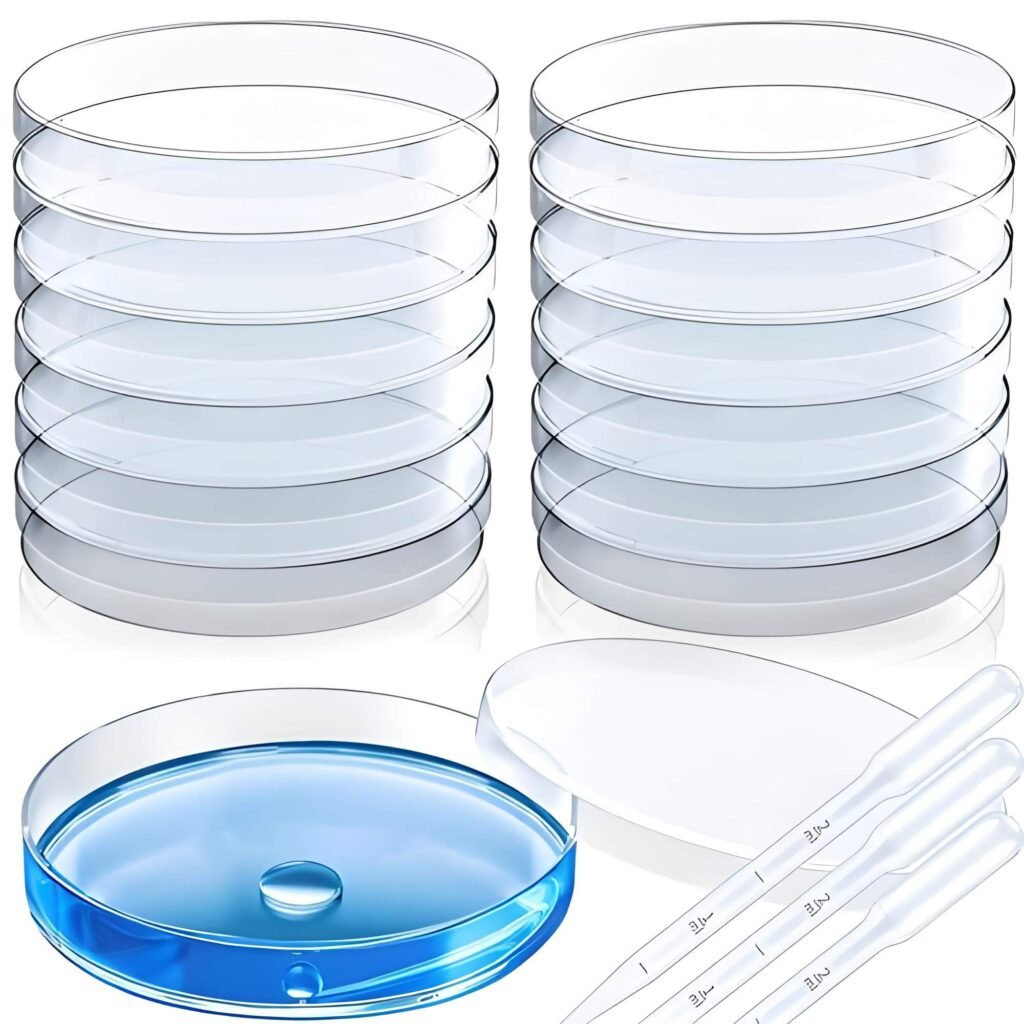
Why Generic Culture Media Often Falls Short (And Custom Fixes It)
Let’s start with a common scenario: A team studying soil-dwelling bacteria in agricultural research needed to isolate a specific strain for pesticide resistance testing. They tried three different generic media options, but the bacteria either grew too slowly or got outcompeted by other microbes. By the time they realized the issue—generic media lacked the iron and organic compounds the strain needed—they’d lost two weeks of work.
This is the problem with off-the-shelf media: it’s designed for “average” use, not your unique sample or goals. Custom culture media fixes this by matching your exact requirements:
- If you’re working with fastidious organisms (like certain fungi or anaerobic bacteria), it can include niche nutrients or pH adjustments that generic media skips.
- For cell biology research (e.g., stem cell differentiation), it can be formulated with precise levels of cytokines or amino acids to keep cells viable and on track.
- Even small tweaks—like reducing a specific sugar or adding a growth factor—can mean the difference between a successful culture and a wasted experiment.
Benefit 1: More Reproducible Results (No More “Why Did This Happen?”)
Reproducibility is the golden rule of research—but generic media is a silent variable that breaks it. I’ve heard from labs where two batches of the same generic media produced wildly different colony counts, or where a slight change in nutrient concentration threw off an entire study. These inconsistencies aren’t just annoying; they make it hard to trust your data, let alone publish it.
Custom culture media eliminates this guesswork. Every batch is made to the same exact specs—same nutrient levels, same pH, same additives. For example, a university lab studying antibiotic susceptibility switched to custom media and saw their result variability drop by 30% within a month. No more repeating tests to “confirm” findings, no more explaining odd blips to peers. It’s a small change that makes a huge difference in how reliable your work feels.
Benefit 2: Saves Time (And Cuts Down on Waste)
Time is one of a researcher’s most valuable resources—and generic media eats into it. Think about all the extra steps: mixing in supplements, adjusting pH, filtering out impurities, or even starting over when a culture fails. A clinical lab I worked with once spent 10 hours a week modifying generic media to fit their viral culture tests—time they could have used for actual analysis.
Custom media streamlines this. It arrives pre-formulated with everything you need: no extra additives, no last-minute tweaks. That same clinical lab? After switching to custom media, they cut that 10 hours down to 1. And because it’s tailored to your samples, you’ll have fewer failed cultures—meaning less waste of expensive reagents, cells, or microbes. Over time, those time and cost savings add up, whether you’re a small academic lab or a larger research team.
Benefit 3: Fits Specialized Research Goals (Generic Can’t Keep Up)
As research gets more specific, generic media can’t keep pace. Let’s say you’re working on diagnostic tests for a rare bacterial infection—you need media that highlights that bacteria, not the common ones that might grow alongside it. Or if you’re in bioprocessing, trying to maximize protein production from mammalian cells—you need media that’s optimized for cell density, not just basic growth.
Custom media is built for these niche needs. For example:
- A research team studying marine microbiology used custom media with salt concentrations matching their ocean samples—something no generic media could provide. They were able to isolate three new bacterial strains they’d missed before.
- A lab focused on personalized medicine created custom media to grow patient-derived cancer cells, ensuring the cells behaved like they would in the body. This made their drug testing results far more accurate.
In these cases, custom media isn’t a “nice-to-have”—it’s the only way to get the data you need. Generic media just can’t adapt to the unique challenges of specialized research.
Conclusion
At the end of the day, custom culture media is about making your research easier, more reliable, and more efficient. It solves the small (but costly) frustrations of generic media—like inconsistent results or wasted time—and lets you focus on what matters: advancing your work.
Whether you’re studying microbes, cells, or developing diagnostic tools, custom media can be tailored to fit your goals. And while it might feel like a small shift, it’s one that can save you weeks of troubleshooting, improve the quality of your data, and help you move your research forward faster.
If you’re curious about how custom culture media could work for your specific project—whether you need help with formulation or want to learn more about batch consistency—reach out to our team. We’re here to help you find a solution that fits.
